How to Optimize Your Irrigation System for Summer
As summer approaches, ensuring your irrigation system is optimized for efficiency and effectiveness is crucial. Not only does it help maintain the health of your landscape, but it also promotes water conservation and reduces utility costs. In this guide, we will explore practical steps to enhance your irrigation system during the hot months.
Understanding Your Irrigation System
Before optimizing your irrigation system, it’s crucial to understand its components and how they work together. This knowledge will help you make informed decisions for effective watering.
- Water source (municipal, well, etc.)
- Pipes and fittings
- Valves and controllers
- Sprinklers and emitters
- Soil moisture sensors
Assessing Your Current System
A thorough assessment of your current irrigation system is essential to identify areas for improvement. Here are the key steps:
- Check for leaks in pipes and connections.
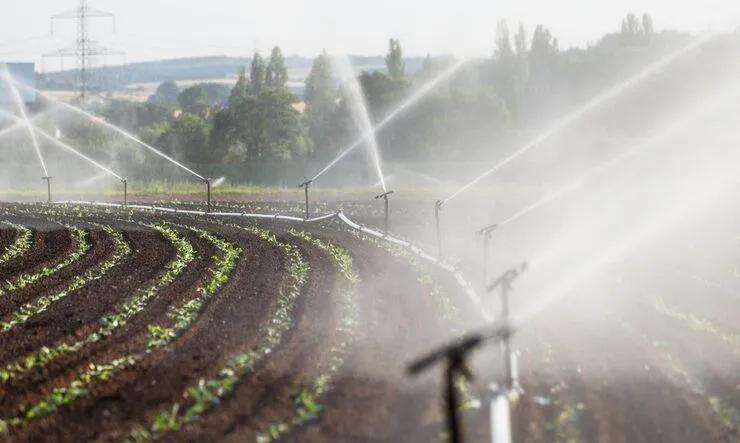
- Observe water distribution patterns from sprinklers.
- Evaluate the efficiency of your timers and controllers.
- Inspect soil moisture levels with a sensor or manual probe.
Implementing Water-Saving Strategies
Once you’ve assessed your system, you can implement effective water-saving strategies.
Smart Irrigation Controllers
Consider upgrading to a smart irrigation controller that adjusts watering schedules based on weather data. These systems can significantly reduce water usage while maintaining your landscape's health.
Drip Irrigation Systems
Drip irrigation delivers water directly to the plant roots, minimizing evaporation and runoff. This method is efficient for flower beds, vegetable gardens, and shrubs.
Scheduling Watering Times
Proper scheduling of your irrigation system can greatly enhance its efficiency. Here are some tips:
- Water early in the morning or late in the evening to reduce evaporation.
- Avoid watering during windy conditions to minimize water loss.
- Adjust watering frequency based on rainfall and temperature.
Regular Maintenance for Optimal Performance
Regular maintenance is key to ensuring your irrigation system operates efficiently throughout the summer. Consider these maintenance tasks:
- Clean filters and emitters to prevent clogging.
- Inspect hoses and connections for wear and tear.
- Test your system's pressure to ensure adequate flow.
- Adjust sprinkler heads to ensure proper coverage.
Utilizing Rain Barrels and Other Conservation Techniques
Incorporating sustainable practices can further enhance your irrigation system. Here are some suggestions:
- Install rain barrels to collect rainwater for irrigation.
- Use mulch to retain soil moisture and suppress weeds.
- Plant drought-resistant landscaping to reduce water needs.
Conclusion
Optimizing your irrigation system for summer is not only essential for maintaining a healthy landscape but also for conserving water and reducing costs. By assessing your current setup, implementing water-saving strategies, and committing to regular maintenance, you can enjoy a lush and vibrant outdoor space while being environmentally responsible. Taking these steps will ensure your irrigation system is ready for the hot summer months ahead.